IT Support for Remote Teams: Lessons from the Frontline



Why remote IT support isn’t “remote” anymore
Remote work isn’t a temporary trend. It’s the new foundation of modern business — and it’s here to stay.
Whether your team is working from Dubai, Jeddah, Amman, or just across town, the expectation is the same: seamless, secure access to systems, apps, and support, from anywhere.
But here’s the problem: most IT models weren’t built for this.
SMEs in the UAE & GCC are learning the hard way that traditional on-site support, legacy systems, and reactive helpdesks don’t hold up when teams are scattered and time zones don’t match.
We’ve been on the frontlines — supporting hundreds of hybrid and remote-first businesses across the region — and here’s what we’ve learned.
1. Remote work exposed the gaps in legacy IT
The old IT support model assumed:
- Devices are office-bound.
- Support happens during office hours.
- Security lives behind a firewall.
That model broke the moment work left the building.
Suddenly, employees were working from home Wi-Fi, logging in at midnight, and relying on their own devices. IT teams couldn’t keep up.
That’s where modern IT partners — like Swyt — come in.
We’ve replaced break-fix models with always-on support through channels like WhatsApp, Slack, and Microsoft Teams.
We’ve embedded AI-powered helpdesk tools that resolve issues before they escalate.
And we’ve deployed Device Management tools to control endpoints — no matter where they are.

2. Employee experience is now an IT metric
If remote employees have to “raise a ticket” to reset a password or wait hours for a VPN fix, that’s not just an IT issue — it’s a productivity blocker.
Smart SMEs now view IT support as part of their employee experience strategy.
The best remote support blends:
- Fast response (ideally <5 minutes)
- Self-serve options for simple issues
- Security that doesn’t slow people down
- Visibility for managers to track requests
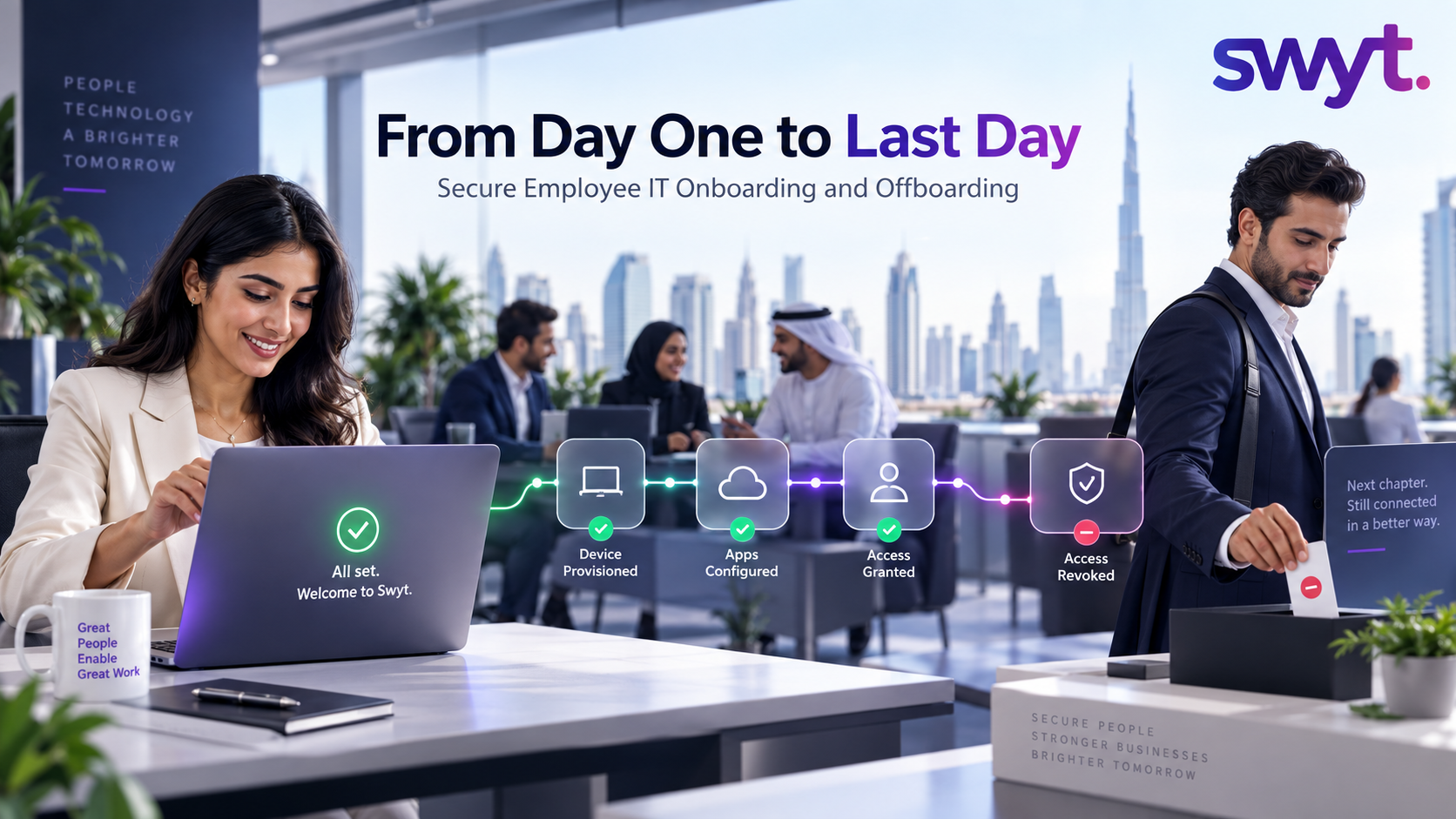
With Swyt’s Employee IT Management tools, HR and operations leads can manage onboarding, offboarding, and day-to-day IT needs without waiting for IT to catch up.
3. Visibility matters — even from afar
Remote shouldn’t mean blind.
One of the most common complaints we hear from growing SMEs is: “I don’t even know what devices my team is using.” That’s a huge risk — for security, compliance, and cost control.
That’s why visibility is core to how we work.
From real-time dashboards that track support tickets to Infrastructure Management and endpoint monitoring, we give business owners full control — without micromanaging their teams.
It’s the difference between guessing and knowing.

4. Remote work demands stronger security
When teams are remote, the attack surface grows.
Suddenly:
- Personal devices are accessing business data.
- Passwords are saved in browsers.
- Sensitive files are shared over unsecured apps.
Cybersecurity is no longer optional — especially in sectors like finance, legal, or healthcare.
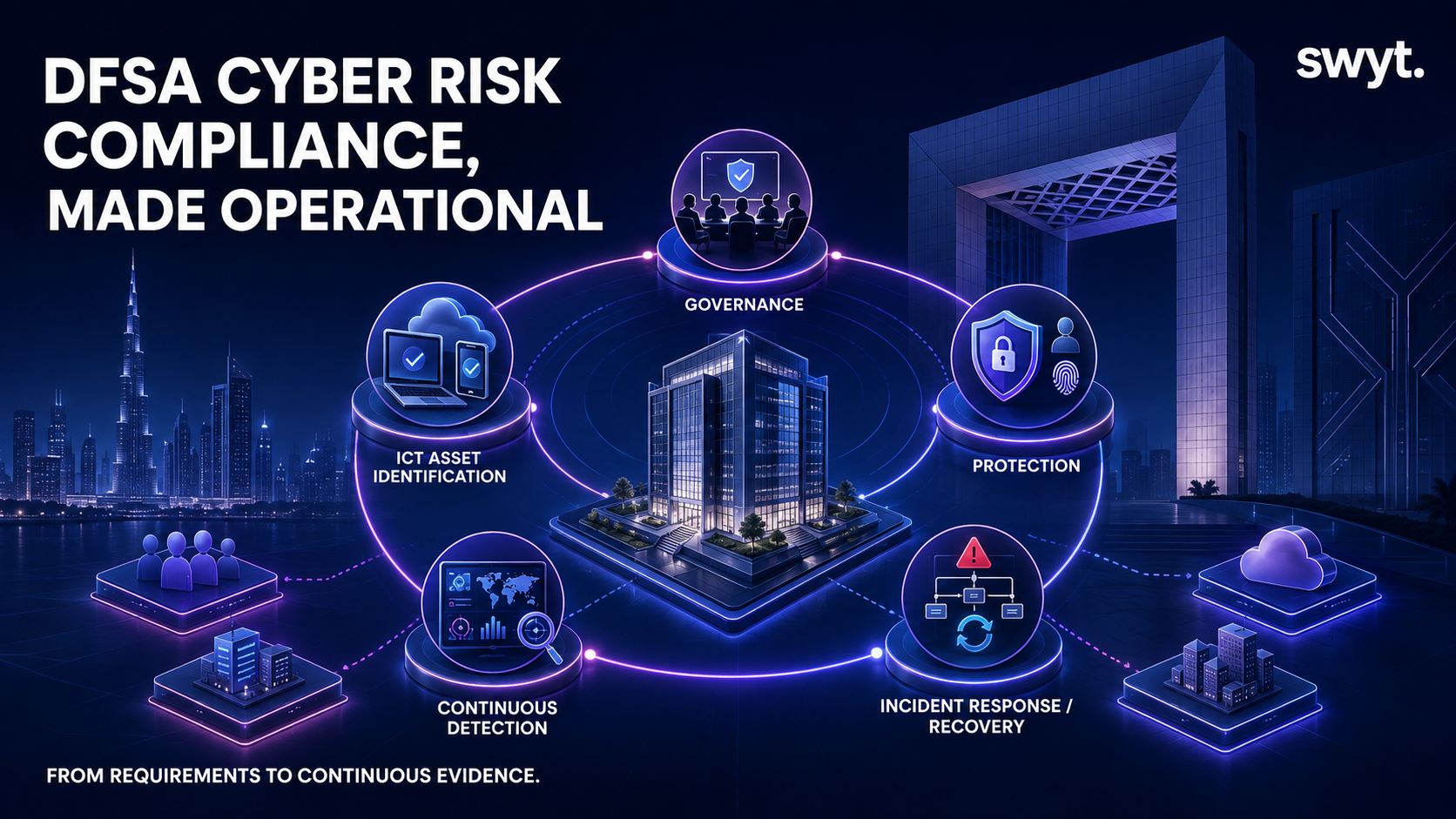
That’s why we integrate Network Security, endpoint protection, and automated compliance alerts into our core offering.
It’s not just about reacting to threats. It’s about preventing them.
Final thoughts: The new rules of remote support
Old IT support models were built for the office. Modern IT needs to be built for the world — and the workforce — we actually live in.
At Swyt, we believe remote support should be:
- Always on (not “back in the office tomorrow”)
- Proactive (not reactive)
- Secure by default
- Human-first, powered by AI
Supporting remote teams isn’t about geography. It’s about mindset. And SMEs that embrace this shift are winning in productivity, security, and scale.


.png)