How DIFC Firms Can Manage Technology Vendor Risk


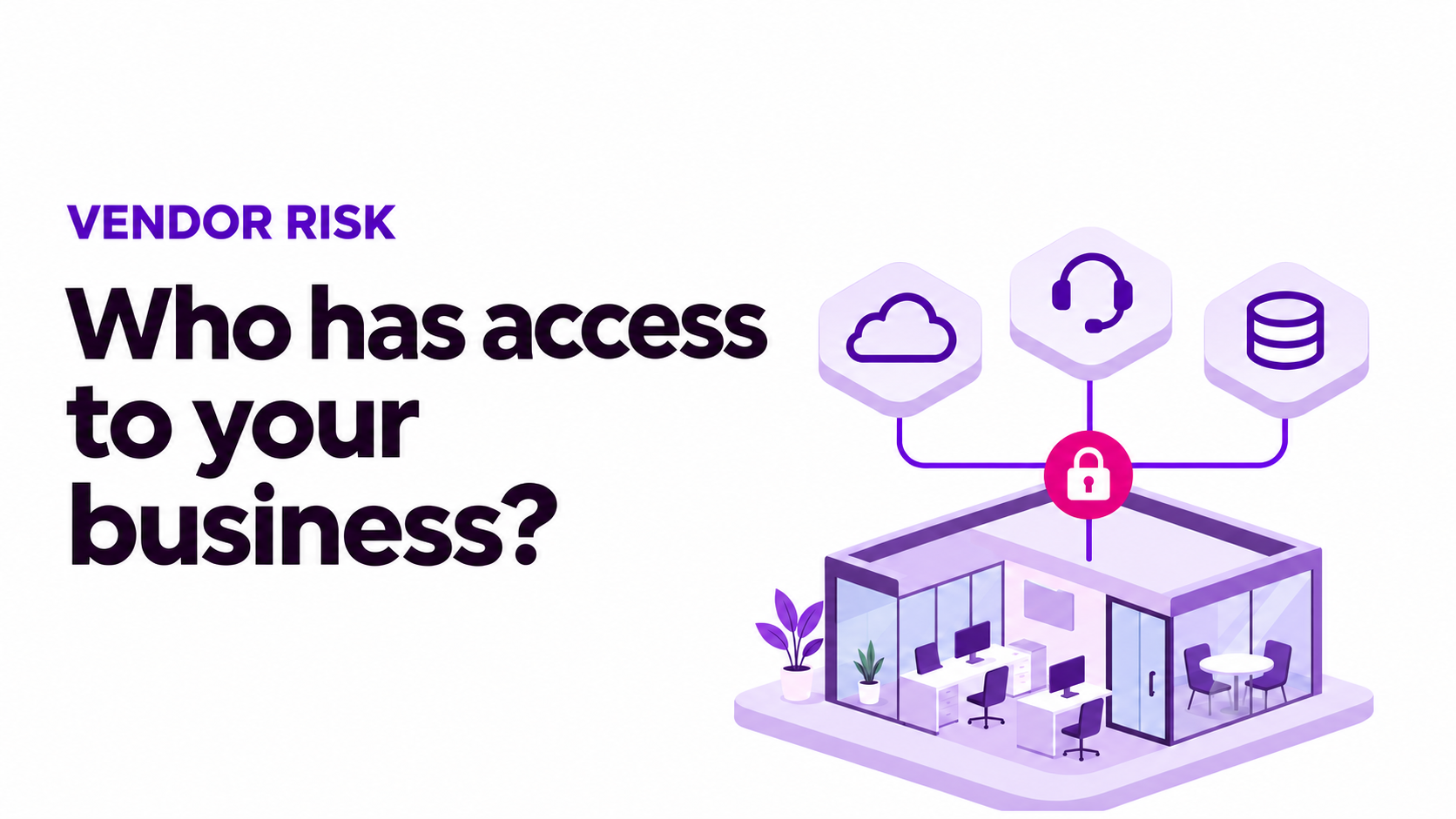
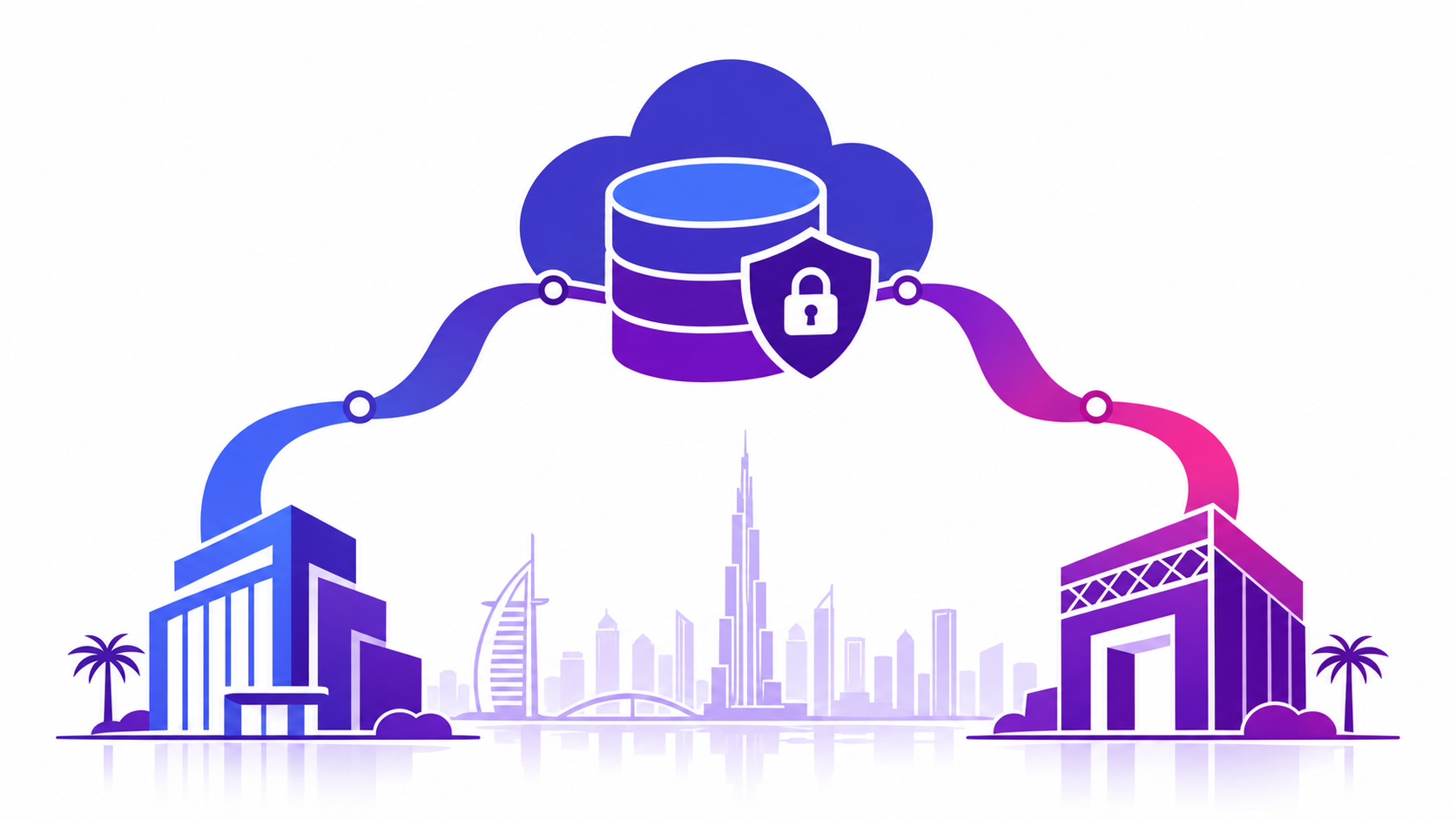
A supplier can have access to customer records, employee accounts or the system your team needs to work. What happens if that supplier goes offline tomorrow? And if you stop working together, could you recover your data and remove its access without relying on the supplier to do both?
For a growing firm in DIFC or elsewhere in the UAE, third-party risk management starts with knowing which suppliers matter, what they can access and who in your business owns the relationship. Here’s how to build a process your team can maintain.
1. List your suppliers and decide which matter most
Start with the technology suppliers you rely on: IT support, cloud services, SaaS tools, hosting, payroll, data storage and cybersecurity providers. For each one, record the service, internal owner, data handled, administrator or remote access, renewal date and the business impact if the service goes down.
A meeting room booking tool and a provider that administers your Microsoft 365 environment should not go through the same review. Give priority to suppliers with sensitive data, privileged access or a role in keeping critical work running. Use application management to see which applications and integrations already have access before deciding what needs closer review.
2. Ask for evidence before granting access
For a higher-risk provider, ask what information it will handle, where it will be hosted, and which subcontractors can access it. Check how the vendor controls administrator access, handles security incidents, updates its systems and restores service or data. Request evidence that fits the risk, such as a security policy, an independent assurance report or a recovery test summary.
For example, if a support provider asks for permanent administrator access to your cloud environment, ask which tasks require it, who will use it and how it will be removed when no longer needed. Named accounts, multi-factor authentication and time limits make it easier to see and review who has access.
3. Put responsibilities in writing
Define who handles security incidents, how you will be contacted, what availability and support you can expect, and how your data will be returned or deleted at exit. Clarify whether changes to hosting, subcontractors or the service scope need to be communicated and who will review them.
Ask your team to walk through an actual scenario. If a payroll platform is unavailable on processing day, who calls the supplier? Who can approve a workaround? How will finance know when it can safely resume? A contract is more useful when staff understand how to use it under pressure.
4. Review at renewal and when things change
Set the review interval according to the supplier’s importance and schedule it before renewal. Bring the review forward if the vendor requests broader access, changes where or how it handles your data, or has a material incident. Record what you reviewed, which issues remain open, and who owns the next action.
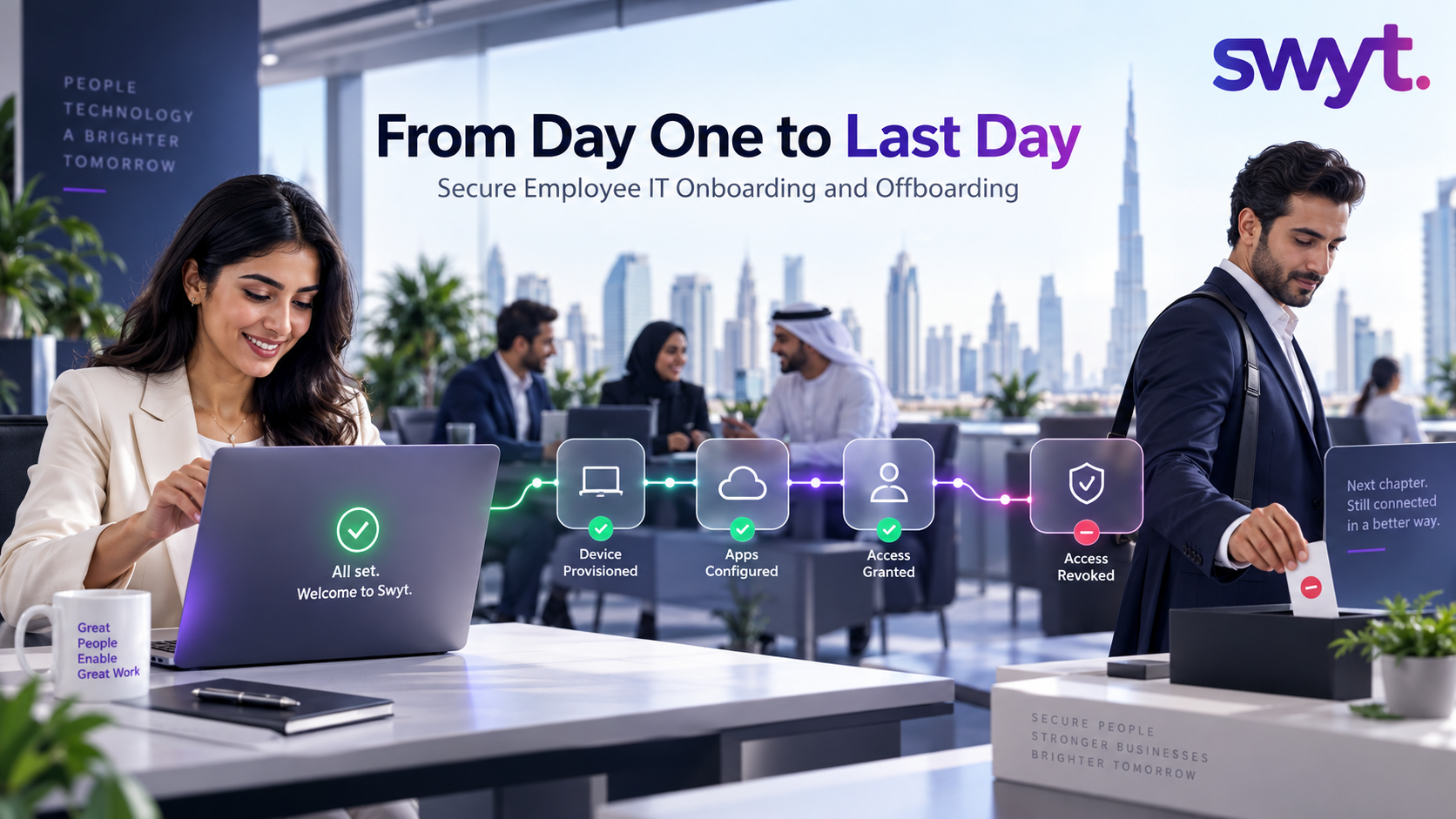
On exit, have IT check for accounts, remote connections, tokens, API keys and integrations that remain active. Confirm the data return or deletion arrangements and record what was completed. If a departing supplier supported a critical service, make sure the replacement or fallback is ready before access is removed.
Start with your most important suppliers and work through the list. For regulated firms, have your compliance team map the process to the obligations that apply to your entity and the specific arrangement.
Frequently asked questions
What is third-party risk management?
Third-party risk management is how a business identifies, assesses and monitors risks from suppliers. For technology vendors, it covers system access, data handling, security controls, service continuity and what happens when the contract ends.
What should a DIFC firm check before onboarding an IT vendor?
Identify which systems and data the vendor will access, who can use privileged accounts, how incidents will be escalated, and how the vendor will support recovery or exit. Review evidence in proportion to the business impact.
Is ISO 27001 certification enough for vendor due diligence?
No. Check what the certificate covers and whether it includes the service you will use. Assess service-specific access, recovery and contractual commitments separately.
How often should a business review its technology suppliers?
Set a risk-based schedule and review important suppliers before renewal. Review sooner after an incident or a material change to access, hosting or service delivery.
What’s the difference between vendor risk and outsourcing risk?
Vendor risk covers risks from suppliers generally. Outsourcing risk concerns an external provider performing a function or service on your behalf. Any formal regulatory classification depends on the firm and the arrangement.
What should IT do when a vendor contract ends?
Remove access that is no longer required, confirm data return or deletion arrangements, and record the actions taken. Include integrations and service accounts in the review, alongside human accounts.
How Swyt can help
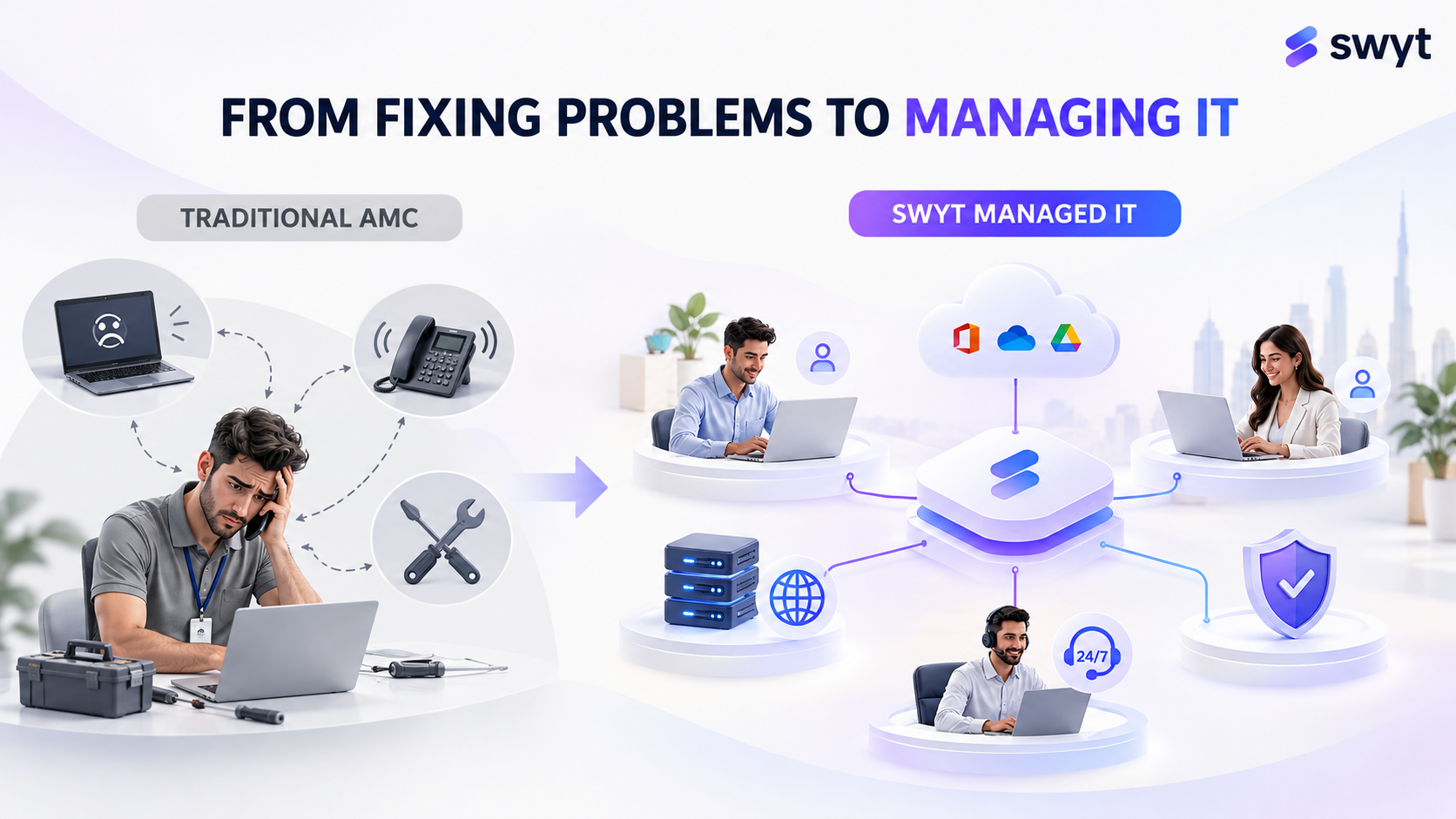
Need a clearer view of supplier access and IT responsibilities? With managed IT and security services, Swyt can help your team review the systems and providers it depends on and decide where to tighten controls. Its 24/7 IT helpdesk gives teams a route for day-to-day support and escalation.