UAE PDPL vs DIFC Data Protection Law: What UAE Businesses Need to Know



A business can operate in the UAE, serve customers in the DIFC and use cloud providers in several countries. Which data-protection law applies?
The answer depends on the organisation’s legal and operational circumstances. A company’s address alone may not settle the question. Its establishment, activities, data flows and other applicable regulations can all matter.
This guide explains the distinction between the UAE’s federal Personal Data Protection Law and the DIFC Data Protection Law, and suggests practical steps for organising a business’s technology controls. It is general information, not legal advice.
The short answer
The UAE federal PDPL and the DIFC Data Protection Law are separate legal frameworks. A business should not assume that one automatically replaces the other in every situation.
Organisations should confirm which law applies to each relevant entity and activity with qualified UAE counsel or a privacy specialist. Businesses may also have sector-specific, contractual or cross-border obligations.
What are the two frameworks?
The UAE federal Personal Data Protection Law is the federal framework governing processing of personal data within its scope. It addresses how organisations collect, use, store, share and protect personal information. The exact scope and any exceptions should be checked against current legislation and implementing materials.
The DIFC has its own data-protection framework. Businesses established in the DIFC should assess their obligations under the current DIFC law and regulations, including how the rules apply to their processing activities and any transfers of personal data.
A DIFC company should not rely on a general description of federal law—or a provider’s marketing page—as a substitute for confirming its own position.
How should a business assess which framework applies?
Start with the legal entity and the activity involving personal data. A practical review should record:
1. Which entity controls the data? List relevant UAE and free-zone entities, branches and operating companies.
2. Where is each entity established? Record its place of incorporation, licences and regulatory status.
3. What processing takes place? Map the personal data collected, why it is used, where it is stored and who can access it.
4. Who receives or handles the data? Include affiliates, cloud platforms, SaaS tools, IT providers and other processors.
5. Where does data move? Record hosting locations and transfers between the UAE, DIFC and other countries.
6. What other rules may apply? Check sector, employment, contractual and customer requirements.
7. Who can confirm the conclusion? Ask qualified legal or privacy advisers to validate the applicability assessment.
This is an assessment framework, not a legal test. The answer can depend on details that are not apparent from a company’s website or office address.
Build a data map before choosing controls
It is difficult to protect personal data without knowing where it sits and how it moves. A useful data map can include the types of personal data held, business purposes, systems and applications, user groups, external providers, hosting locations, retention processes, integrations and accountable business owners.
A current application and SaaS inventory can help identify the platforms employees use, access permissions and third-party connections. Check it with business owners because shadow tools may not appear in procurement records.
Turn requirements into everyday technology controls
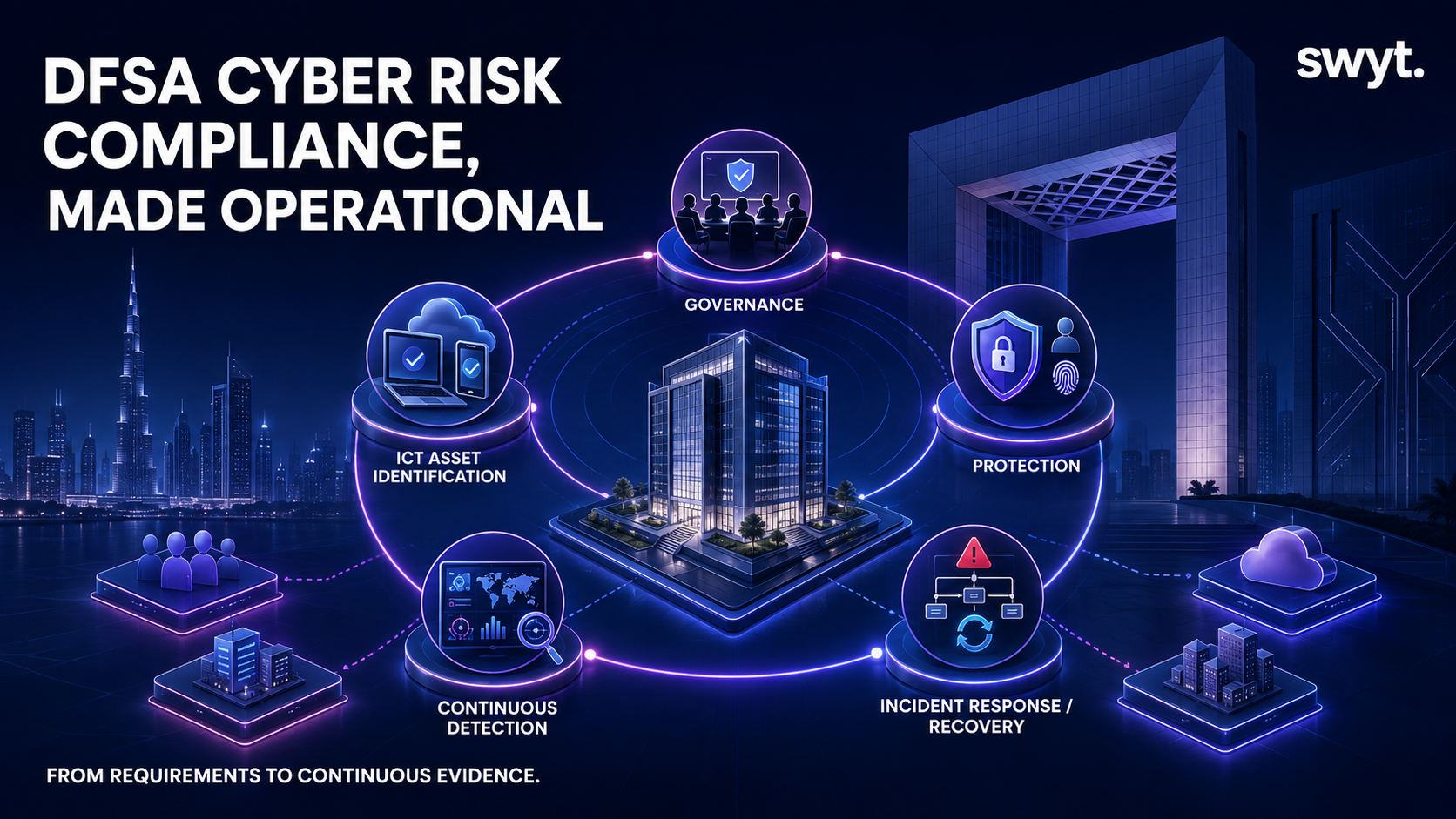
After confirming applicability and obligations, map them to operating controls. Depending on the organisation’s circumstances, these may include role-based access and access reviews, multi-factor authentication, encryption and secure device configuration, managed employee onboarding and offboarding, logging and monitoring, backup and recovery, secure sharing, supplier-access reviews, and incident escalation.
A data-security programme can connect information handling with access controls, endpoint protection and cloud settings. For hosted applications, cloud-security controls can help review identity, configuration and access.
These controls support a practical security programme, but do not by themselves determine legal compliance. The organisation remains responsible for confirming its obligations and checking that controls address them.
Review vendors and cross-border data flows
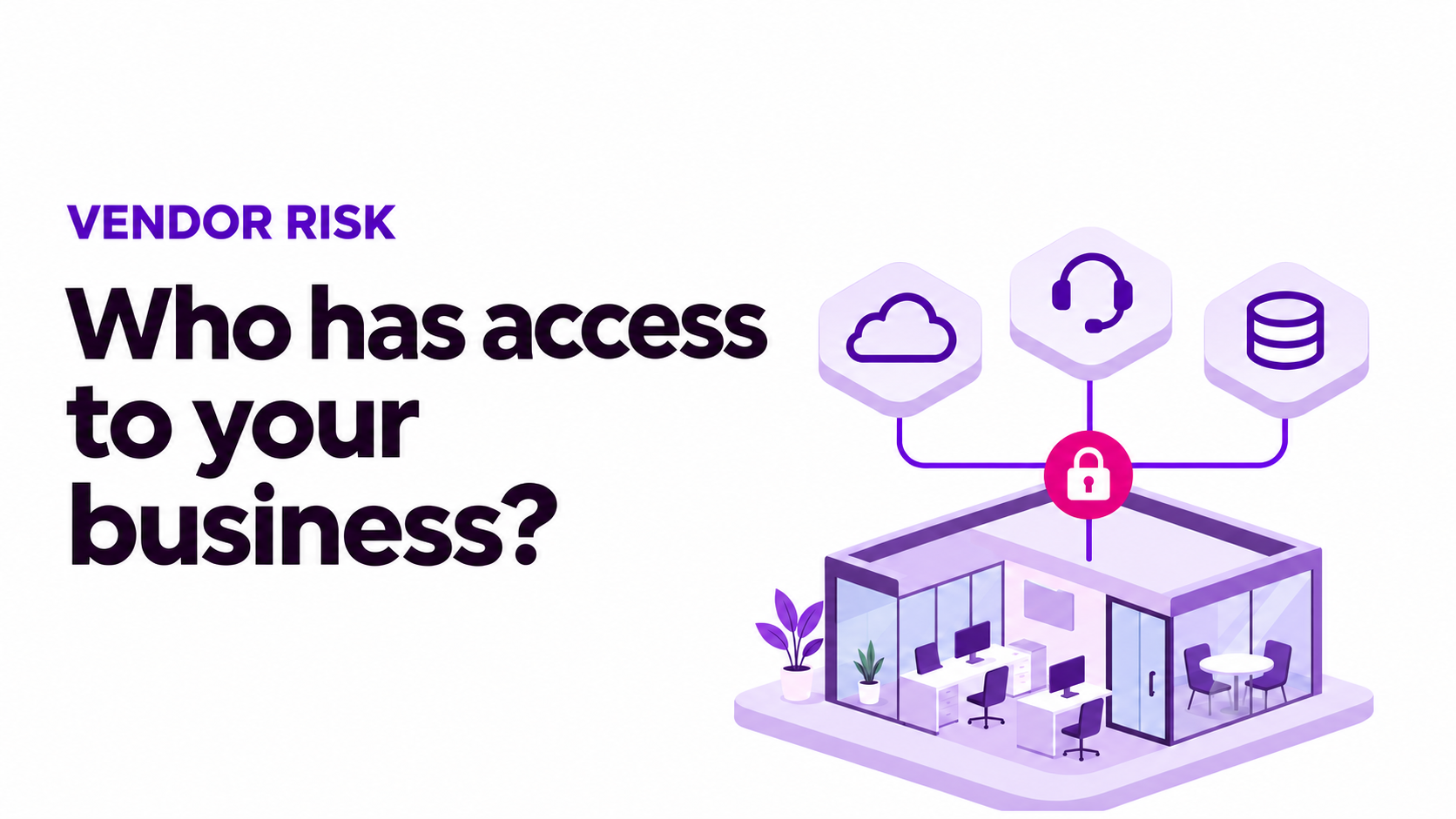
Many SMEs rely on external providers for email, CRM, HR, finance, file sharing, customer support and IT management. A vendor review should establish what personal data the provider handles and why; which staff or subprocessors can access it; where it is stored and processed; how incidents are reported; how access is removed at contract end; what happens to data at termination; and whether contracts and security arrangements match the service.
Pay particular attention to integrations and administrator permissions. An application connected to a company account may access email, files or calendars beyond what users realise.
Keep evidence that reflects actual operations
Policies are useful, but a business should also be able to show how controls operate. Depending on its obligations, evidence may include data and application inventories, access approvals and reviews, device-compliance reports, supplier assessments and contracts, incident records, backup tests, training completion, retention and deletion actions, and remediation tracking.
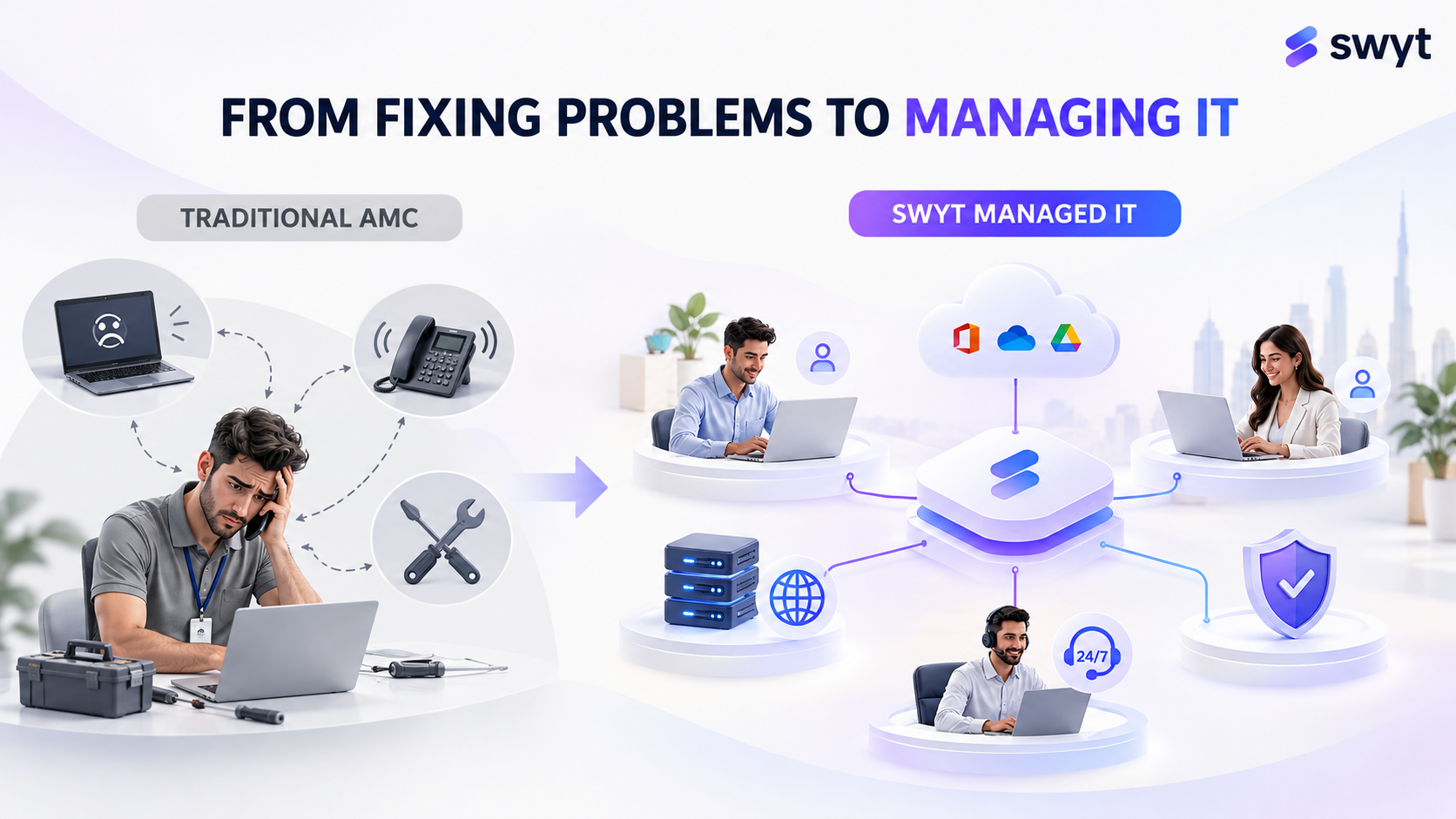
A managed IT compliance and certification programme can help organise technical controls and records. Legal interpretation and formal compliance conclusions should be reviewed by qualified advisers.
A practical first-month plan
Week 1: List relevant entities, systems, data types, providers and business owners.
Week 2: Have counsel or a privacy specialist review the entity structure, processing activities and relevant obligations.
Week 3: Compare confirmed requirements with current access, device, cloud, supplier and incident processes.
Week 4: Prioritise gaps, assign owners and set review dates for evidence and vendor arrangements.
The goal is a clear link between legal obligations, business processes and the technology controls the organisation actually operates.
FAQs
Is the UAE PDPL the same as the DIFC Data Protection Law?
No. They are distinct frameworks. An organisation should confirm which applies to its entities and processing activities rather than assume one automatically covers every UAE operation.
Does every DIFC company follow the UAE federal PDPL?
Applicability can depend on the organisation and activity. DIFC businesses should confirm their position under the current DIFC framework and seek advice on any other laws that may apply.
Does having a Dubai office determine which law applies?
An office address alone may not answer the question. The entity’s establishment, activities, data processing and relevant legal arrangements should be reviewed.
Does using a cloud provider outside the UAE change obligations?
It may raise additional questions about data transfers, provider access, contracts and security. Confirm the requirements for the specific data flow and service.
What should an SME do first?
Create an initial map of entities, personal data, applications and service providers. Then have a qualified adviser confirm legal applicability and prioritise control gaps.
Can IT controls alone make a business compliant?
No. Technical measures are one part of a wider programme that may include legal analysis, governance, contracts, business processes and staff responsibilities.
What evidence should a business keep?
Useful records may include data and system inventories, access reviews, supplier contracts, security reports, incident records, training records and retention or deletion actions. Required evidence depends on the organisation’s obligations.
Do you know where your business’s personal data is stored, who can access it and which providers process it?
Swyt can help map applications and devices, review technical access, improve cloud and endpoint controls, and organise operational evidence. Start with a data-security review and have qualified counsel confirm the legal framework that applies to your business.